
When the income stops, the debt does not.
Palimpact gives Palestinians free, confidential financial guidance — at no cost, with nothing to sell.
Get free helpWhy now
It began with the war on Gaza in 2023 — and the shock it sent through everyday life.
Beyond its human toll, the war triggered a series of structural breaks across the Palestinian economy that pushed already-fragile households over the edge.
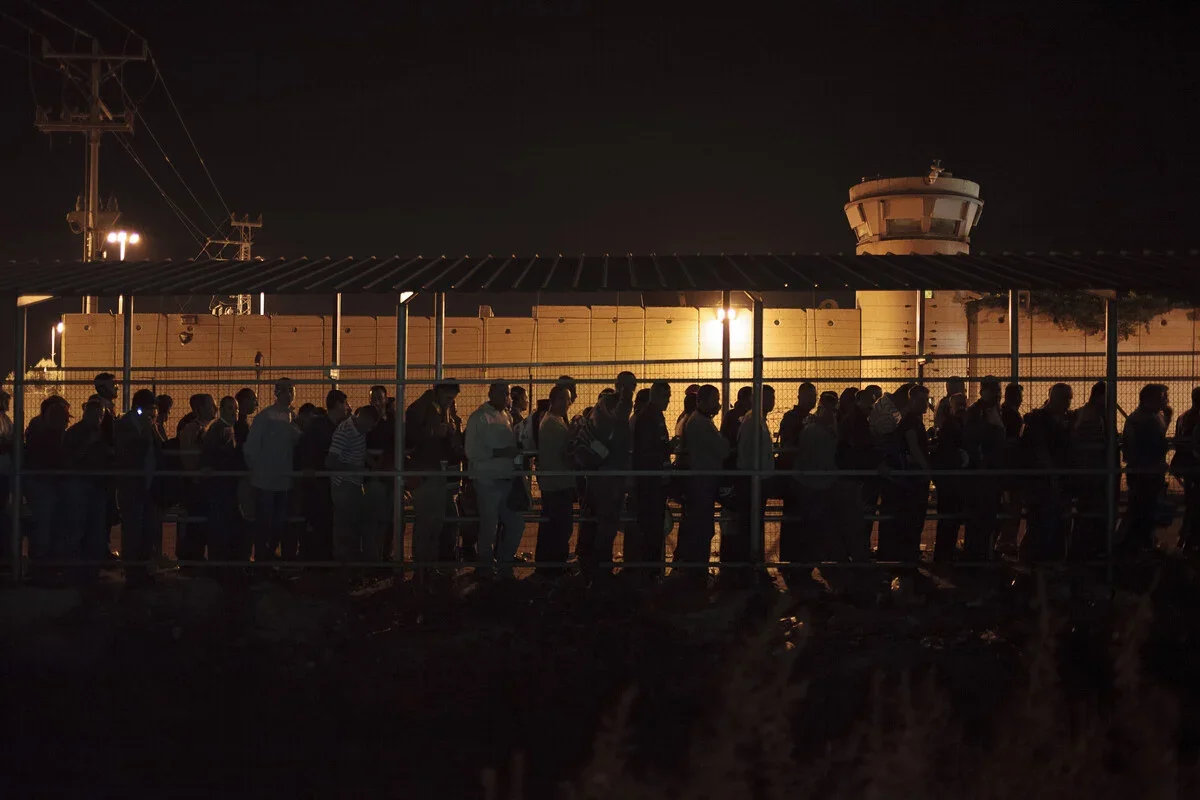
≈200,000 jobs lost
Workers shut out of the Israeli labour market.
Businesses closed
Many women-led businesses forced to shut.
Partial salaries
Public-sector pay cut to a fraction.
Trade cut off
Road closures stranded farmers and traders.
Camps worsened
Conditions for refugees grew harsher.
Many of these families already carried debt. When the income vanished, the obligations did not.
→ The economics of the trapThe economics of the trap
Why one shock can pull a family into a cycle they can't escape.
These households are living what economists call a vicious circle of poverty — and several forces hold it shut.
The vicious circle
Lost income leaves no savings, so survival runs on debt — and low income repeats itself. (Nurkse)
The debt trap
When repayments exceed earnings, default and high-cost borrowing follow — and the poor pay the most for credit.
The bandwidth tax
Financial stress consumes mental capacity, making sound decisions hardest exactly when they matter most. (Mullainathan & Shafir)
Lost capability
Poverty isn't only a shortage of money; it's the loss of a person's real freedom to act. (Sen)
We can't undo the war or restore lost jobs. But a small, well-placed intervention, free, expert guidance, can break the circle at the one point a family can still influence: how it manages what it has left.
The economic backdrop, in numbers
Source: Palestinian Central Bureau of Statistics & Palestine Monetary Authority.
The problem we solve
The trap turns on a single missing ingredient: guidance. At the moment a household most needs objective financial advice, it is least able to find or afford it. Professional advice in Palestine is scarce and priced out of reach, and to our knowledge no service offers it free of charge. Palimpact exists to place expert, confidential guidance at exactly that point — free — and interrupt the cycle before it closes.
The gap we close
Banks & microfinance
They lend money — they don't sit with a family and help it plan.
NGOs & aid
They provide relief and training — but rarely one-on-one financial planning.
Private advisors
Personal advice exists — but as a luxury, priced beyond ordinary households.
Between the lender, the aid provider, and the costly advisor sits the underserved Palestinian who needs guidance and can't pay for it. That gap is why Palimpact exists.